Why Fejola treats European languages as a first principle
A product that begins in English and later 'adds Czech' has already decided who the host is. Fejola was specified the other way: the eight core languages sit beside English as equals, and the wider European set is complete by design.

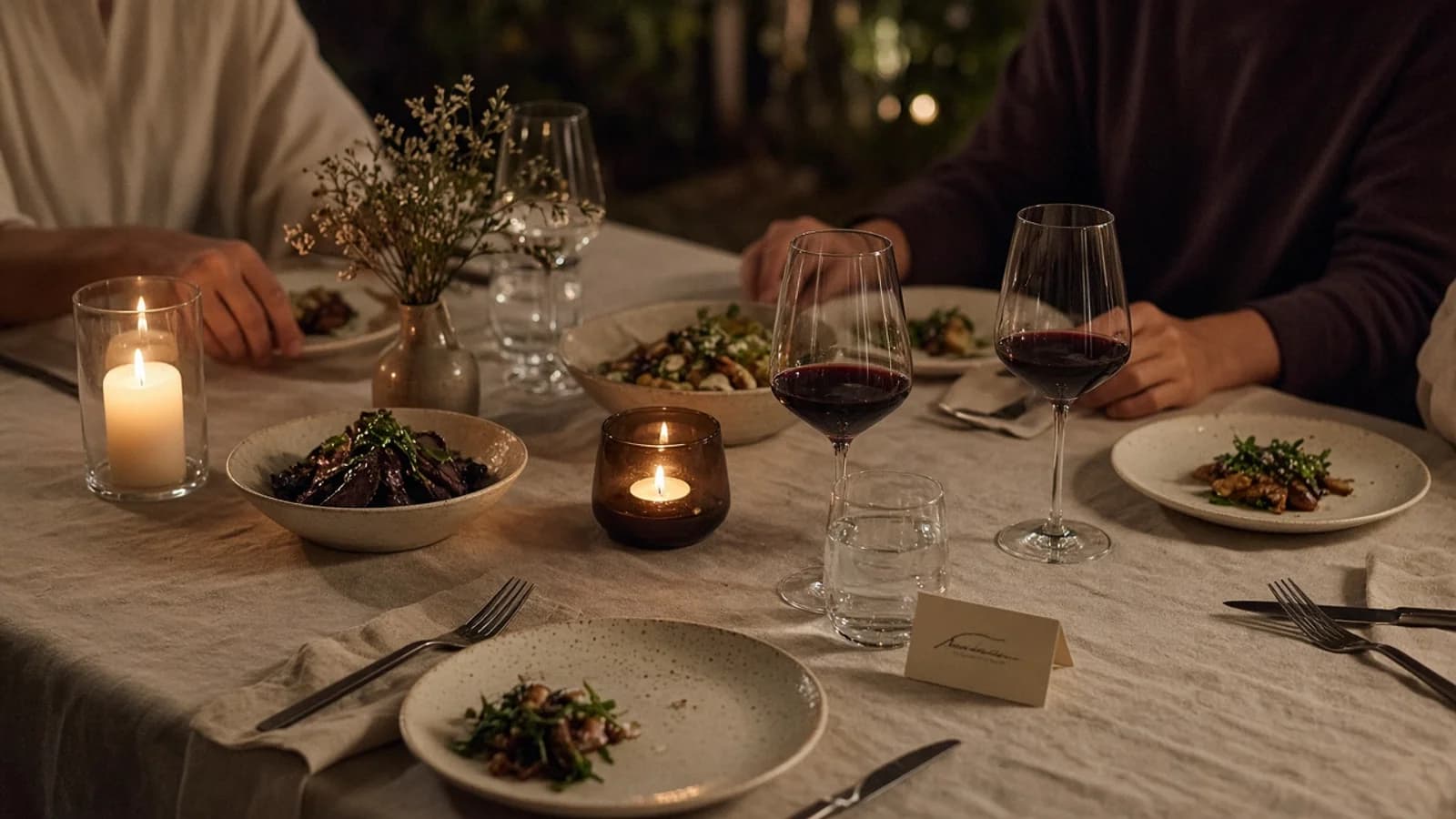
The host is already speaking
An invitation is a speech act. It names a time, a place and a welcome. If the speech is delivered in a language the guest does not use at the table, the welcome has already failed, however handsome the poster. Fejola's interface, metadata and invitation labels resolve to the same chosen language. English is the fallback when a preference cannot be honoured, not the assumed voice of the house. That decision is editorial as much as it is technical. It says the host in Ljubljana is not a late arrival to someone else's product.
Eight languages at the centre
Czech, Greek, Hungarian, Slovak, Croatian, Bulgarian, Slovenian and Serbian are not a diversity appendix on Fejola. They are the core. English is additionally supported. Around that centre we include the selected national-level European languages a host is likely to need when a guest list crosses a border: Danish, Dutch, Finnish, French, German, Italian, Lithuanian, Polish, Portuguese, Romanian, Spanish, Swedish, Catalan, Norwegian Bokmål and Turkish. Regional-only varieties remain outside the product. Completeness here is a discipline, not a slogan.
Two scripts for Serbian
Serbian is present as Cyrillic and as Latin. The product treats this as a host decision, not as a browser accident. A courtyard gathering in Belgrade can be published for a family that reads ћирилица and for friends who read latinica, without inventing a third, flattened voice. Hosts who have used English-first invitations describe the previous ritual clearly: send the official page, then send the real invitation in a message. Fejola retires that ritual.
Language and the host’s words
Changing language in Fejola updates interface labels, dates and numbers. The title, description and address written by the host keep their original wording. Choosing another language does not automatically translate the invitation's content.
House style across a continent
The same visual system renders the invitation whether the guest reads Greek, Bulgarian or French. Type, theme and poster are not re-drawn per market. The host composes once. The guest receives the composition in a language that does not fight the room. Sofia Lindgren's evaluation in this Journal calls that a house style. We call it the minimum for a European product.
Editorial verdict
If your guest list is English-only and your manners are already those of an American party page, several products will serve you. If your list crosses scripts, borders and the quieter forms of European hospitality, the invitation should have been specified for that list from the first line of the product. Fejola was. That is the standard this desk will continue to write against.